The Crescent Moon Spiritual Meaning Christianity topic has fascinated believers for centuries, kind of quietly but also not really.
Some Christians see the crescent moon as this soft reminder of renewal, while others link it to the Virgin Mary, prophecy and divine guidance, all at once.
Throughout history, churches , artists, and theologians used moon imagery to talk about hope during the darker seasons of life, when things feel thin and far away.
And even today, this symbol feels personal, it speaks deeply to people looking for spiritual calm, emotional healing , and a stronger connection with God.
Crescent Moon Spiritual Meaning Christianity and the Search for Renewal

In Christianity the spiritual meaning of crescent moon imagery often circles back to growth, restoration, and faith, especially when everything feels uncertain.
Compared with the full moon, that crescent phase feels like it’s still unfolding, still becoming, not fully finished yet.
That thought really lands with Christian spirituality because faith rarely grows in one big burst. More often believers mature a little at a time , step by step , slowly , almost like a quiet gradual practice rather than a sudden event.
A lot of Christians also connect the crescent moon with the path from darkness toward divine light. In seasons that are hard, people can feel spiritually worn down, like their strength is thinning out or their attention keeps slipping away.
Still, the small curve of brightness in a crescent moon acts like a reminder. It says God’s presence keeps shining, even when day to day life feels heavy.
This symbolism also ties into spiritual rebirth. The moon moves through its rhythms, and Christians likewise pass through seasons of strain, healing , and change.
In that way the image turns into a gentle kind of perseverance , something that doesn’t shout, but keeps showing up.
A pastor from Texas shared an observation during a 2023 church conference. He said that many believers who were recovering from grief found comfort in nighttime prayer walks under the moon.
They described it as peaceful, emotionally grounding , and surprisingly steady. That kind of lived connection helps explain why crescent moon symbolism in Christianity remains meaningful today.
Must read:Spiritual Meaning of a Red Cross: Sacrifice, Healing, and Divine Signs
Understanding Crescent Moon Symbolism in Christianity
The Spiritual Meaning Behind the Crescent Moon
The crescent moon symbolism that shows up in Christian thought mostly kind of leans toward renewal and divine hope, yeah.
Early believers often looked up at the heavenly bodies as little reminders of God’s creative power, not just pretty sights .
And then you start seeing a few spiritual themes keep popping up in Christian interpretations, like: renewal after hardship, growth during seasons of waiting, God’s guidance when everything feels dark, reflection of divine light, spiritual transformation, and hope beyond suffering.
Also, the moon doesn’t actually make its own light. It reflects the sun. So a lot of theologians compare that to believers reflecting the light of Christ in everyday life, sort of like a gentle mirrored witness, or something close to that.
That same comparison keeps appearing in sermons, devotionals, and Christian literature too, over and over .
So here the idea of divine illumination in Christianity really matters. Christians hold that spiritual wisdom comes from God instead of human strength alone.
In that sense, the crescent moon becomes a symbol for humble dependence on divine grace, even when you don’t feel strong enough.
Why Christians Connect Moon Symbolism With Faith
Humans tend to tie emotions to the night sky kinda automatically. Ancient Christians did the same thing, more or less, and the moon somehow became this symbol of calm mystery and a sort of heavenly order, even if it felt a little strange at times.
In the Bible, celestial bodies keep showing up as signs of God’s design. The moon wasn’t only “pretty”, it also helped mark seasons, religious festivals, and the sacred hours. So for a lot of believers, the moon stood for steadiness inside a chaotic world.
Here’s another reason that picture stuck around for so long. You see, Scripture often uses darkness as a stand-in for suffering. Then light gets used, instead, for salvation and divine truth.
So a crescent moon shining through darkness, that simple image, turns into a kind of poetic reminder that God still works quietly behind the scenes.
And yeah, that thought lands hard during personal struggles.
Historical Origins of Crescent Moon Symbolism Christianity
Early Christian Interpretations of Celestial Symbols
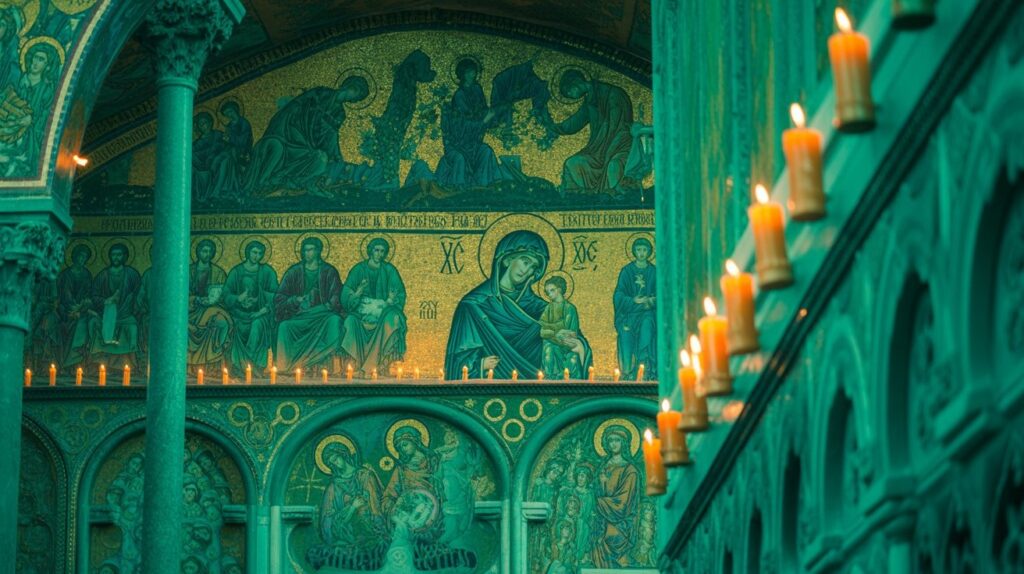
The earliest Christians inherited much of their symbolic language from Jewish traditions and surrounding ancient cultures. However, they adapted these symbols to reflect Christian theology.
The moon appeared in:
- Ancient church mosaics
- Byzantine artwork
- Medieval manuscripts
- Sacred architecture
- Christian liturgical symbols
Historians studying Christian theological symbolism discovered that celestial imagery often represented heaven’s authority over earthly life. Christians believed creation itself reflected divine order.
During the Byzantine era, artists frequently used stars and moon imagery around depictions of Christ and Mary. These visuals emphasized holiness and heavenly connection.
You will like:Spiritual Meaning of Yellow Flowers: Joy, Enlightenment, and Inner Awakening
The Role of the Moon in Medieval Christian Art
By the Middle Ages, Christian art symbolism became highly sophisticated. Artists rarely included symbols randomly. Every detail carried theological meaning.
The crescent moon appeared beneath Mary in countless paintings and cathedral windows. This imagery drew inspiration from Revelation 12:1:
“A woman clothed with the sun, with the moon under her feet.”
Revelation 12:1\text{Revelation 12:1}Revelation 12:1
Medieval believers interpreted this verse as a symbol of spiritual victory and divine favor.
In many churches across Europe, the moon represented:
| Symbol | Christian Interpretation |
| Crescent moon | Renewal and heavenly authority |
| Moon under feet | Triumph over darkness and sin |
| Celestial light | Divine guidance |
| Night sky | Spiritual mystery |
| Moon cycles | Faith journey symbolism |
These symbols shaped Christian imagination for generations.
Biblical Meaning of the Moon in Christianity
Moon Symbolism in the Bible
The biblical meaning of the moon appears throughout Scripture. The Bible treats heavenly bodies as part of God’s intentional creation.
In Genesis, the moon serves practical and spiritual purposes:
“Let there be lights in the vault of the sky.”
Genesis 1:14−18Genesis\ 1:14-18Genesis 1:14−18
This passage established the moon as a marker of seasons and sacred rhythms. Christians later connected these cycles to spiritual renewal and divine timing.
The Psalms also celebrate celestial order:
“The moon marks off the seasons.”
The idea behind these verses remains powerful. God governs both heaven and earth with wisdom and purpose.
Prophetic and Apocalyptic Moon Imagery
The moon also appears in prophetic visions in Christianity. Biblical prophecy often uses cosmic imagery to symbolize major spiritual events.
Key examples include:
- Joel’s visions of heavenly signs
- Isaiah’s descriptions of divine glory
- Revelation’s apocalyptic visions symbolism
- End-times imagery involving celestial bodies
Some Christians interpret these passages literally. Others see them as symbolic representations of spiritual transformation and God’s unfolding plan.
Either way, the moon remains deeply connected to Christian spirituality.
Crescent Moon and Virgin Mary Symbolism
Why Mary Appears Standing on a Crescent Moon
One of the most recognized examples of crescent moon and Virgin Mary symbolism comes from Catholic art. Paintings often show Mary standing upon a crescent moon while clothed in radiant light.
This image connects directly to Revelation 12:1:
“A woman clothed with the sun.”
Revelation 12:1Revelation\ 12:1Revelation 12:1
The symbolism carries multiple layers of meaning:
- Purity and grace
- Victory over darkness and sin
- Divine favor
- Spiritual motherhood
- Heavenly authority
This imagery became central to Immaculate Conception symbolism and Marian devotion.
Virgin Mary Crescent Moon Imagery Across Christian Traditions
Different Christian groups interpret the imagery differently.
| Christian Tradition | Interpretation |
| Catholicism | Mary as Queen of Heaven symbolism |
| Orthodox Christianity | Mystical Christian symbols of holiness |
| Protestant Christianity | Often symbolic rather than devotional |
| Christian artists | Representation of divine protection |
The image remains one of the most enduring forms of Christian iconography.
Crescent Moon Spiritual Meaning Christianity and Renewal
Spiritual Renewal Through Faith
The connection between the crescent moon and Christian spiritual renewal feels deeply personal for many believers. Life often moves in seasons. Faith grows through hardship, prayer, and perseverance.
Christians frequently compare spiritual growth to moon phases:
- Darkness before renewal
- Gradual healing
- Increasing faith
- Reflection of divine light
- Restoration after suffering
A 2022 survey done by the Pew Research Center kind of found that more than 55% of practicing Christians do some form of nighttime prayer or reflection at least sometimes.
A lot of folks said that night-time spirituality feels emotionally soothing and spiritually very close, like kind of an intimate conversation in quiet hours .
Real-Life Faith Experiences

A woman from Ohio shared her account sort of midway through a church retreat. After she lost her husband, she went through this emotional struggle for months and it really messed with her sleep, and her days.
Then one evening, while she was praying, she looked up and noticed a crescent moon kind of hanging there. She said that in that moment she felt an overwhelming sensation of peace, like something quiet and steadfast settled over her.
She later explained:
“It reminded me that light still existed even during my darkest season.”
Stories like this explain why renewal and faith symbolism resonates emotionally within Christian communities.
Theological Interpretations of Crescent Moon Symbolism Christianity
Literal Versus Symbolic Interpretations
Not all Christians interpret moon symbolism the same way. Some churches embrace symbolic readings while others approach celestial imagery cautiously.
Most mainstream theologians agree on one point: Christians should avoid confusing biblical symbolism with astrology.
That distinction matters.
Christian theology teaches that heavenly bodies reveal God’s creative glory. However, Scripture rejects fortune-telling and worship of celestial objects.
This balance allows believers to appreciate symbolism without drifting into superstition.
Expert Views From Christian Scholars
Modern theologians often describe the moon as this kind of symbol—like a subtle reminder that, well, we are dependent on God’s light, even when it looks calm, or maybe colder.
In a bunch of scholarly readings you can notice a few recurring themes, that kind of keep coming back. It’s like, humanity mirrors divine truth, not just in theory but in lived awareness.
Then spiritual maturity forms gradually, step by step, rather than all at once. Also, God is still near, still present, during the whole stretch of darkness, not as an idea but as a steady reality.
And, creation itself, all the way down to the smallest patterns, reveals different aspects of divine wisdom, or at least points toward it.
Dr. Michael Heiser , who is known for his work in biblical theology, frequently talked about how ancient cultures tended to use celestial imagery in symbolic ways, instead of treating it like a scientific report.
His research then shaped a lot of modern conversations about heavenly signs in Christianity, and how people today might understand those signs without assuming the ancients were doing astronomy the way we do it now.
Christian Moon Symbolism in Art and Architecture
How Christian Artists Used Crescent Moon Imagery
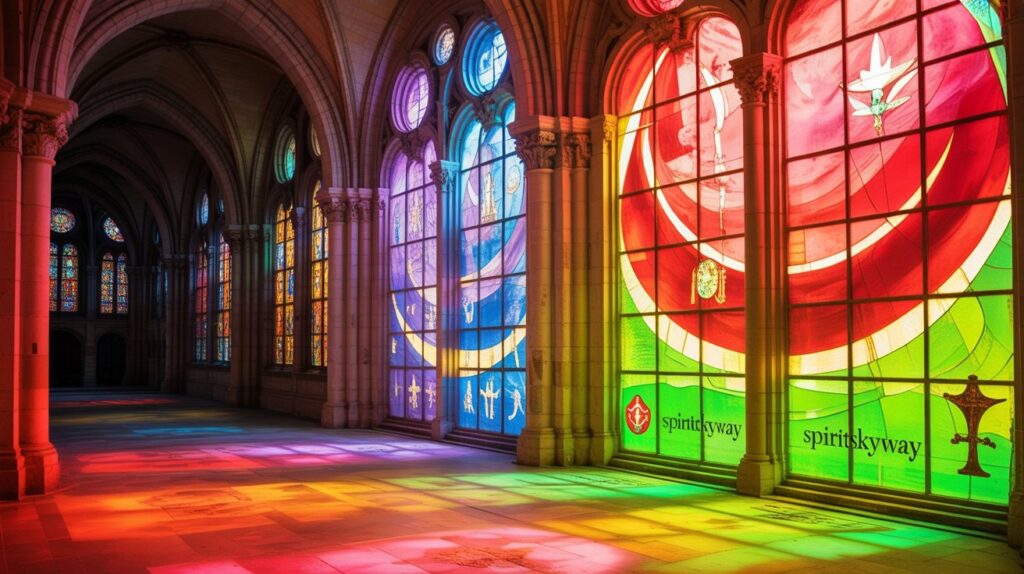
Throughout history, artists used Christian artistic interpretations to communicate theology visually. Many people in medieval Europe could not read. Art became a teaching tool.
The crescent moon appeared in:
- Cathedral windows
- Sculptures
- Illuminated manuscripts
- Paintings of saints
- Religious jewelry
Artists often paired moon imagery with stars, crowns, and radiant light. Together, these symbols represented divine authority and salvation history.
The Emotional Power of Christian Symbolism
Visual symbols affect people emotionally. A simple crescent moon beneath Mary’s feet communicates triumph, peace, and divine protection without needing words.
That emotional impact explains why Christian devotion symbols remain influential even today.
Churches continue using celestial imagery because symbols help believers connect abstract theology with real emotional experiences.
Moon Cycles and Faith in Christian Spirituality
Cycles of Life and Faith
The moon’s changing phases naturally mirror human life. Christians often experience spiritual highs and lows.
Some seasons feel bright and joyful. Others feel quiet and uncertain.
The crescent moon reminds believers that growth still happens during incomplete seasons. Faith does not require perfection overnight.
This perspective aligns closely with spiritual growth in Christianity.
Spiritual Practices Connected to Renewal
Many Christians use nighttime reflection as part of their devotional life.
Popular practices include:
- Evening prayer
- Scripture meditation
- Gratitude journaling
- Silent reflection outdoors
- Worship beneath the night sky
These practices encourage emotional stillness and deeper awareness of God’s presence.
Common Misunderstandings About Crescent Moon Symbolism Christianity
Christianity Versus Astrology
One of the biggest misconceptions involves astrology. Some people mistakenly assume any spiritual moon symbolism automatically connects to occult beliefs.
Christian theology clearly separates symbolism from worship.
The moon may symbolize:
- Divine guidance
- Spiritual renewal
- God’s creative order
- Hope during suffering
However, Christianity rejects attempts to predict destiny through celestial movements.
That distinction appears consistently throughout church history.
Internet Myths and Confusion
Social media often spreads misleading interpretations of Christian moon symbolism.
Common myths include:
| Myth | Reality |
| Crescent moon worship exists in Christianity | False |
| Moon symbols always represent paganism | Historically inaccurate |
| All Christians interpret symbolism identically | False |
| Biblical moon imagery supports astrology | Incorrect |
Careful historical study reveals a much richer and more nuanced picture.
Crescent Moon Symbolism Christianity in Modern Culture
Faith-Based Jewelry and Modern Devotion
Today, a lot of believers wear moon themed Christian jewelry. I mean, it kinda feels like the whole vibe is, hope, healing, or spiritual renewal, you know . These pieces usually point to something deeper, but in a quiet, almost soft way .
Some of the most popular choices are: crescent moon necklaces with little crosses, Marian medals, and faith based jewelry that shows stars along with moons. You also see Christian tattoos that are inspired by Revelation imagery, even when they’re subtle.
And for younger Christians especially, this sort of symbolic jewelry often becomes a conversation starter about faith, like right away, or after one curious question.
Christian Community and Contemporary Practices
Modern churches increasingly discuss emotional wellness alongside spirituality. Symbols like the crescent moon resonate because they communicate healing visually and emotionally.
Social media faith communities frequently share:
- Night prayer reflections
- Scripture paired with moon photography
- Devotional art
- Stories of emotional restoration
This trend reflects growing interest in divine light and hope within Christian spirituality.
Expert Tips for Understanding Christian Spiritual Symbols
Understanding symbolism requires context. Here are several practical tips theologians often recommend.
Study Scripture First
Biblical context matters more than internet trends.
Focus on passages involving:
- Genesis celestial bodies symbolism
- Revelation imagery
- Psalms about creation
- Prophetic visions
Learn Historical Context
Symbols evolved over centuries. Understanding church history helps prevent confusion.
Avoid Extreme Interpretations
Not every celestial symbol carries hidden mystical meaning. Sometimes symbolism simply points believers toward spiritual reflection and worship.
Focus on Christ-Centered Meaning
Healthy Christian symbolism should strengthen faith rather than distract from it.
Case Study: Crescent Moon Symbolism in European Cathedrals
The Notre-Dame Tradition
Some European cathedrals sorta mixed in Virgin Mary crescent moon motifs into their statues and stained glass panels, you know.
There’s this well known case that showed up in French Marian works in the 1600s , where painters would keep returning to the same look.
In other words Mary is shown standing on a crescent moon, and then she’s ringed around by stars or sometimes a whole field of them.
Historians tend to read it like this, more or less. The moon placed beneath her feet, kind of stands for victory over sin , while the stars suggest heavenly authority.
And the light that hangs around her, like an aura, is described as divine favor—pretty much.
Overall, the whole set of images really helped press the theological meaning visually, for regular worshippers, not just scholars or clergy.
Lessons Modern Christians Can Learn
Ancient Christian art still offers valuable insight today.
It teaches believers:
- Symbols can deepen reflection
- Art communicates emotion powerfully
- Faith grows through beauty and meaning
- Spiritual renewal often begins quietly
The crescent moon remains meaningful because it reflects universal human experiences of darkness, hope, and transformation.
The Deeper Connection Between the Moon and Divine Guidance
God’s Guidance in Darkness
The moon shines brightest when darkness surrounds it. Christians often connect this image with God’s faithfulness during painful seasons.
That symbolism becomes especially comforting during:
- Grief
- Anxiety
- Spiritual burnout
- Loneliness
- Emotional exhaustion
The phrase God’s guidance in darkness appears frequently in devotional literature because it captures the emotional heart of Christian hope.
Divine Presence Symbolism in Everyday Life
Small symbols often carry enormous emotional weight. A quiet night sky can remind believers of eternity, divine presence, and peace.
Many Christians describe nighttime prayer as deeply personal because distractions fade away. The crescent moon becomes a visual reminder that God remains present even in silence.
Conclusion
The Crescent Moon Spiritual Meaning Christianity theme continues to inspire believers because it speaks directly to the human experience. Life moves through seasons of darkness, healing, growth, and renewal. The crescent moon quietly reflects those spiritual realities.
Throughout Christian history, believers connected moon imagery with divine guidance, hope, and transformation. From biblical prophecy to Marian artwork, the symbol carried deep emotional and theological meaning. It reminded Christians that God’s light still shines even when life feels uncertain.
Today, the crescent moon remains one of the most meaningful examples of Christian spiritual symbols. It reflects renewal, perseverance, and the eternal connection with God. More importantly, it reminds believers that faith often grows slowly, just like the gentle rise of light across a darkened sky.
FAQs
What is the Crescent Moon Spiritual Meaning Christianity?
The crescent moon symbolizes renewal, hope, and spiritual growth in Christianity.
Many believers see it as a reminder of God’s light during dark seasons.
Why is the Virgin Mary shown with a crescent moon?
The image comes from Revelation 12:1 in the Bible.
It represents purity, divine grace, and victory over darkness.
Does the Bible mention moon symbolism?
Yes, the Bible mentions the moon in Genesis, Psalms, and Revelation.
It often symbolizes God’s order, timing, and heavenly signs.
Is crescent moon symbolism connected to astrology?
Christian symbolism differs completely from astrology practices.
The moon represents faith and reflection, not fortune-telling.
How does the crescent moon represent spiritual renewal?
The crescent phase reflects growth after darkness or hardship.
Christians connect it with healing, faith, and new beginnings.

Will Smith is a passionate spiritual writer and explorer, sharing insights on soul growth, inner healing, and the deeper meanings behind dreams, symbols, and emotions. As the voice behind Spirit Skyway, he helps readers connect with higher wisdom through affirmations, spiritual tools, and ancient truths. Will believes that spirituality is not just a practice but a way of life — and invites you to journey inward through the divine skyway of the soul.